In a fire, the systems that detect it early and tell people to get out save lives before a single hose is run. AS 1670 is the standard that governs how those systems are designed, installed and commissioned: the detectors and panels that sense a fire, the monitoring that calls the brigade, and the warning and intercom systems that get occupants moving and wardens talking. If you design, install, commission or maintain fire detection and warning systems in Australia, this is the standard your work is measured against. Here’s what it covers, in plain English.
What is AS 1670?
AS 1670 is the Australian Standard series titled “Fire detection, warning, control and intercom systems: System design, installation and commissioning.” It’s referenced by the National Construction Code (NCC), so meeting AS 1670 is the standard way to satisfy the Code’s fire-detection and occupant-warning requirements for most commercial and multi-residential buildings. Crucially, AS 1670 is about the system (how it’s designed, wired, configured and proven to work), while a separate standard, AS 4428, covers the control and indicating equipment (the panels) themselves, and AS 1851 covers ongoing maintenance once the building is occupied.
The parts of AS 1670
- AS 1670.1: Fire. The design, installation and commissioning of automatic fire detection and alarm systems (FDAS): detectors, manual call points, the fire indicator panel and alarm devices.
- AS 1670.3: Fire alarm monitoring. How a system’s alarm signal is monitored and transmitted off-site (for example, to a monitoring centre or the fire brigade).
- AS 1670.4: Emergency warning and intercommunication (occupant warning and EWIS). The design, installation and commissioning of systems that warn occupants and let wardens communicate during an emergency.
The current editions are the 2018 versions, but the NCC calls up specific editions, so always confirm which edition applies to your project. Together with AS 4428 (the equipment) and AS 1851 (maintenance), AS 1670 is the design-and-install rulebook for fire detection and warning.
AS 1670.1: fire detection and alarm systems
Part 1 is the core: the automatic fire detection and alarm system (FDAS) that senses a fire and raises the alarm. A typical system includes:
- Detectors: smoke (photoelectric/ionisation), heat (thermal/rate-of-rise), flame, and aspirating smoke detection (ASD/VESDA-type) for high-sensitivity early warning.
- Manual call points (MCPs): “break-glass” buttons that let a person raise the alarm.
- The fire indicator panel (FIP): the brain that monitors every zone and device, shows the status and signals an alarm or fault.
- Alarm devices: bells, sounders and strobes that signal an alarm locally.
- Cabling and circuits: wired and configured so faults are detected and the system stays reliable.
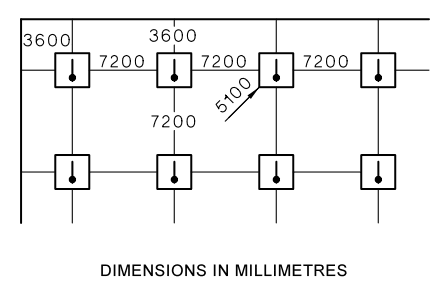
AS 1670.1 sets out how the system is designed (detector type and spacing for the ceiling and room type, how the building is divided into zones so a panel pinpoints where the alarm is, and how it all has to perform), then how it’s installed and commissioned so coverage is complete and there are no blind spots.
AS 1670.3: fire alarm monitoring
Detecting a fire is only useful if the right people find out. Part 3 covers fire alarm monitoring: how an alarm signal is transmitted off-site through alarm signalling equipment (ASE) to a monitoring service or, where required, the fire brigade, so help is on the way even in an empty building. It sets the requirements for that signalling path and its reliability.
AS 1670.4: occupant warning and intercom (EWIS)
Part 4 covers the systems that get people out and coordinate the response. Depending on the building, that ranges from a simple occupant warning system to a full emergency warning and intercommunication system (EWIS):
- Occupant warning system (OWS): alert and evacuation tones, and often a recorded voice message, to tell occupants what to do.
- Emergency warning and intercommunication system (EWIS): a larger system with an emergency control panel (ECP), speakers for voice messaging zone by zone, and warden intercommunication points (WIPs) so the chief warden can communicate around the building.
- Visual warning devices: strobes and signage where audible warning alone isn’t enough.
Smaller buildings may only need an occupant warning system tied to the detection system, while larger or higher-risk buildings need a full EWIS. The NCC and the building’s design determine which.
Design, installation and commissioning: the three jobs AS 1670 governs
The full title of the series spells out its scope: system design, installation and commissioning. Each stage matters:
- Design: size and lay out detection, warning and monitoring to suit the building’s class, size, occupancy and risk, in line with the NCC and AS 1670.
- Installation: install and cable the system to the standard, including circuit integrity and, where required, fire-rated/survivable cabling so it keeps working during a fire.
- Commissioning (prove it works): test every detector and call point, confirm the panel reports the right zone, verify the cause-and-effect (what each alarm triggers), check monitoring signals through, and record a baseline so future AS 1851 servicing has something to measure against.
How AS 1670 connects to the rest of the building
A fire detection system rarely works alone. On alarm, it tells the rest of the building what to do. Through a documented cause-and-effect matrix, an AS 1670 system typically interfaces with:
- HVAC fire mode and smoke control (designed under AS 1668.1): shutting down or switching air handling and starting smoke exhaust or stair pressurisation.
- Sprinkler and hydrant systems: monitoring flow switches and valve states.
- Lifts: returning them to a safe floor.
- Fire and smoke doors, shutters and dampers: releasing or closing them.
- The occupant warning system or EWIS: triggering the right alert or evacuation message for the affected zone.
Getting these interfaces right, and proving them at commissioning, is where a lot of the real work sits.
Who can design and install it
Fire detection and warning work should be carried out by suitably licensed and qualified practitioners (typically fire and/or electrical trades) and, for the design and certification of these measures, NSW and other jurisdictions may require an accredited practitioner (for example, under the Fire Protection Accreditation Scheme). Check the licensing and accreditation rules in your state before taking on design, installation or certification.
Maintenance, AS 1851 and the AFSS
Once the building is occupied, an AS 1670 system becomes an essential fire safety measure with ongoing obligations. It must be routinely serviced under AS 1851 (regular testing of detectors, call points, the panel, batteries, alarm devices, monitoring and the EWIS) and, in NSW, certified each year in the building’s Annual Fire Safety Statement (AFSS). The commissioning baseline from AS 1670 is exactly what that routine servicing checks against. (See our guides to AS 1851 routine servicing and the AFSS for the detail.)
Common pitfalls
- Coverage gaps: detectors that don’t suit the ceiling height or room type, leaving blind spots.
- Cause-and-effect that was never fully tested, so an interface (HVAC, lifts, doors) doesn’t fire on alarm.
- Monitoring that isn’t confirmed end-to-end, so an alarm never reaches the brigade or centre.
- Working to the wrong edition of the standard. Confirm the edition the current NCC references.
- Building or fit-out changes (new walls, changed use) that aren’t reflected in the detection or warning layout.
- Treating commissioning records as a formality instead of the baseline for every future AS 1851 service.