Ten years ago, the fire load in an apartment bike store was a few bicycles and some cardboard. Today it is a row of e-bikes and e-scooters, often on charge, sometimes from a power board run off a light circuit, frequently with a delivery rider’s spare battery sitting on the floor next to them. The same shift has happened in basement car parks with new EV chargers, in office end-of-trip facilities, in retail stockrooms full of returned devices and in warehouses running lithium-ion forklifts.
Fire protection contractors are seeing this before almost anyone else, because you are the ones walking through the plant rooms, car parks and storerooms every month. Owners, strata committees and facility managers are starting to ask what they should do about it. This guide explains why lithium-ion fires behave differently, where the risk shows up, what fire services actually advise, and how to help clients properly: good observations, sensible quotes and a clear line around what is a design decision for someone else.
Why lithium-ion battery fires are different
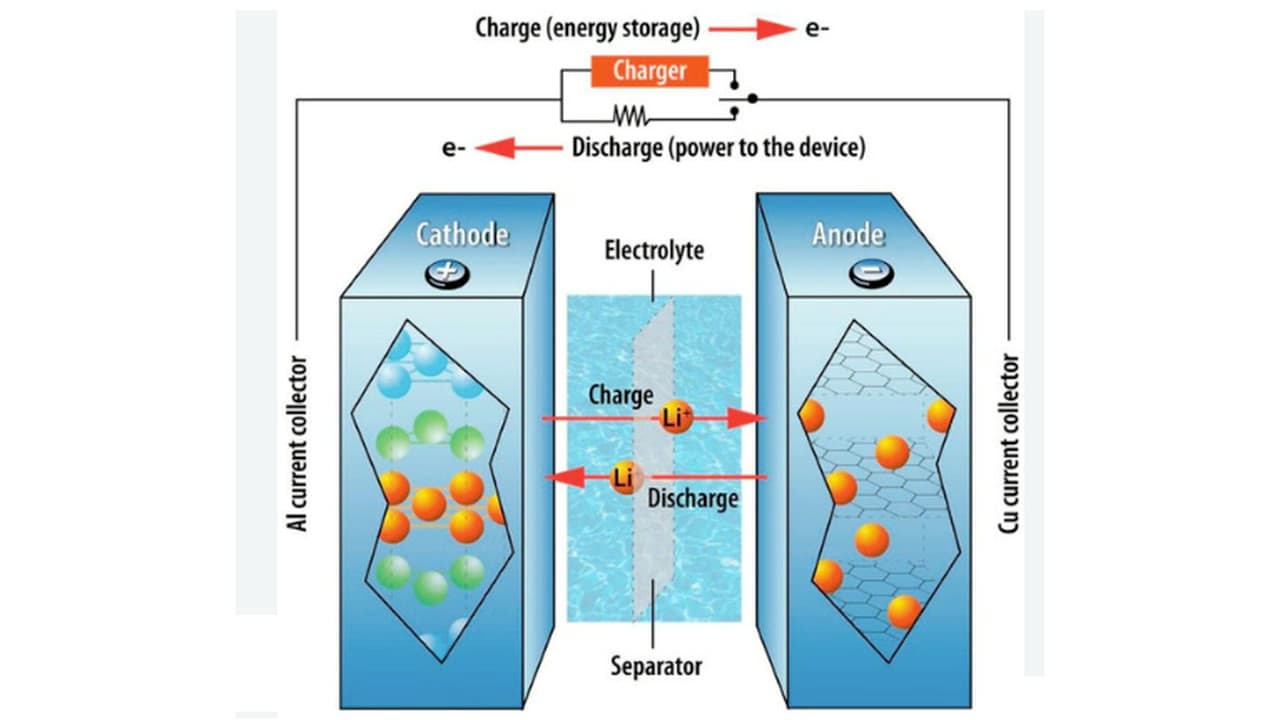
A lithium-ion battery stores a lot of energy in a small space, and when a cell fails it can release that energy as heat faster than the heat can escape. That is thermal runaway. AFAC describes it as the rapid uncontrolled release of heat energy from a battery cell, a condition where the battery creates more heat than it can dissipate, and notes that runaway in one cell can heat neighbouring cells and set off a chain reaction that ends in a battery fire or explosion.
Several things follow from that, and each one changes how a building should be protected:
- Off-gassing comes first. Fire and Rescue NSW warns that the vented battery gases, vapour and smoke are highly toxic and flammable and must not be inhaled. Vapour can be released before there is any visible flame.
- The event can be violent. FRNSW says thermal runaway events can occur rapidly and can often be quite violent, involving toxic smoke and vapours, flames and metal projectiles. AFAC lists the potential for vapour cloud explosion and a rapid rate of fire spread among the hazards.
- Flames can be directional. AFAC refers to directional flame jetting in EV fires and asks designers to consider vehicle separation with that in mind.
- The fire feeds itself. FRNSW notes that burning lithium-ion batteries are difficult to extinguish because they generate their own heat source, oxygen and fuel.
- Reignition is common. FRNSW advises calling Triple Zero even if visible smoke or flames have gone, because there is a good chance the battery might reignite if it has not been sufficiently cooled. AFAC describes secondary ignition occurring hours, days or weeks after the first failure, and FRNSW says the same of damaged EV batteries.
- Incidents can be long. For EVs, AFAC lists significant fire duration (4+ hours) and a protracted incident among the potential hazards, along with stranded electrical energy and contaminated firefighting run-off.
None of that makes every battery a bomb. The ABCB’s 2023 advisory note records that global experience indicates EVs have a lower likelihood of being involved in a fire than internal combustion vehicles, while the characteristics of battery fires are different to liquid fuel fires. The issue for fire protection is not frequency so much as character: when one of these fires does happen, it behaves in ways that conventional measures were not designed around.
How common is it?
FRNSW describes lithium-ion batteries as the fastest growing fire risk in New South Wales. FRNSW figures published by the NSW Government in February 2025 counted lithium-ion battery fires involving e-bikes, e-scooters, hoverboards and other mobility devices rising from 23 in 2022 to 67 in 2023 and 93 in 2024, and the same release reported three deaths in NSW in the previous 12 months from fires involving lithium-ion battery-powered bikes. Check your own fire service’s current figures before quoting a number to a client.
What has changed in regulation
Most regulatory movement so far has been on the product side rather than the building side.
| Area | Position as at October 2026 | What it means on site |
|---|---|---|
| E-micromobility products in NSW | NSW Fair Trading safety standards for e-bikes, e-scooters, hoverboards, e-skateboards, their batteries and chargers began on 1 February 2025, with mandatory testing and certification from August 2025 and mandatory labelling from February 2026. An information standard on safe use, charging, storage and disposal started on 19 February 2025. | Better products over time, but older devices stay in buildings for years, and product rules do not change the building. |
| National product standard | The ACCC says that in May 2026 the government funded it to develop nationally consistent safety standards for e-micromobility devices, with consultation expected to start by late 2026. | Nothing yet changes fire safety measures in existing buildings. |
| EV charging in buildings | The ABCB issued an advisory note on EV charging in June 2023 with recommendations such as master isolation, signage and block plans. It is guidance, not a code requirement. | Owners adding chargers may come to you for signage, block plan and alarm work. |
| EVs as a special hazard | AFAC asks that EVs and charging equipment be considered under the NCC special hazard provisions (E1D17 and E2D21 in NCC 2022). Queensland Fire Department’s June 2026 position statement requests a special hazard assessment for referred carpark projects. | Design responses come from a fire safety engineer and the approval process, not from the service contractor. |
| Home batteries | AS/NZS 5139 sets requirements for installing battery energy storage systems, including restrictions on location. | Installation compliance is an electrical matter. Your role is noticing and reporting. |
The NCC itself is still catching up. The Queensland Fire Department notes the absence of specific deemed-to-satisfy provisions in the NCC addressing EV fire hazards, which is why fire authorities lean on the special hazard clauses. NCC 2025, which jurisdictions could adopt from 1 May 2026, strengthens carpark fire safety, including sprinkler protection for some open-deck carparks, but the ABCB says the proposed EV charging amendments were not included. Check which edition your state has adopted and when, because it varies.
Where the risk shows up in the buildings you service
| Location | What you will typically see | What to look at |
|---|---|---|
| Apartment bike stores and storage cages | E-bikes and e-scooters on charge from power boards, spare batteries, residents charging overnight | Detection type and coverage, extinguisher type and access, egress past the charging point, combustible storage nearby |
| Strata and commercial car parks with EV chargers | New chargers added after construction, sometimes beside exits, hydrants or plant | Whether chargers obstruct fire equipment or exits, signage, isolation, whether the block plan shows them |
| Offices and end-of-trip facilities | Commuters charging e-bikes in bike rooms, scooters charged under desks | Detection in the bike room, charging near egress paths, ad hoc power arrangements |
| Warehouses and retail stockrooms | Pallets of battery products, returned and damaged devices, power tool batteries | Quantity and arrangement of stock against the sprinkler design basis, where damaged returns are kept |
| Residential and small commercial battery storage | Solar batteries in garages, on external walls, sometimes in plant rooms | Proximity to exits and fire equipment, obvious damage, smoke or heat alarm coverage in the garage |
| Forklift and equipment charging areas | Lithium-ion forklifts and floor cleaners charged in aisles or near racking | Charging location against storage, detection coverage, access to extinguishers and hydrants |
The common thread is that these uses were rarely in the original fire engineering brief. A bike store designed as low fire load storage is now a charging room, and a warehouse sprinkler design may be based on a commodity classification that no longer matches what is on the racks. Whether the system is still adequate is an engineering question, but you are often the only person who notices the change.
What fire services actually advise
Before recommending anything, know what the fire services tell the public. It gives you a defensible baseline for observations.
Charging and storage
- FRNSW: make sure a smoke alarm or heat alarm is working in rooms where e-bikes and e-scooters are charged or stored, keep combustibles away, and charge on hard non-combustible surfaces like concrete or tiles.
- FRNSW: charge in an open area like a garage or shed, away from exits, and not in or near living spaces such as bedrooms and living rooms.
- FRNSW: do not charge while sleeping or away from home, disconnect once fully charged, and only use the charger supplied or approved for the battery.
- Fire Rescue Victoria: charge on non-combustible surfaces, avoid charging overnight or unattended, and install a smoke alarm where light electric vehicles are charged.
- FRNSW recommends a smoke alarm or heat alarm in private garages where an EV is regularly parked or charged, ideally interconnected and mains powered.
If a battery fails
- FRNSW: if a device or battery starts to smoke or emit flames, evacuate, close doors if safe to do so, make sure nobody goes back inside, and call Triple Zero.
- FRNSW: if trained, a fire blanket or a dry chemical powder or carbon dioxide extinguisher may be used from a safe distance to prevent the spread of fire to surroundings, but these are not likely to fully extinguish a lithium-ion battery fire.
- FRNSW: call Triple Zero even if the smoke or flames have gone, because the battery may reignite.
- FRNSW: damaged batteries should be kept outside in a well-ventilated area at least 3 metres from structures and combustible materials, and damaged EVs in an open area at least 15 metres from other vehicles, buildings and exposures.
Notice what that advice does not say. It does not claim any extinguisher will put out a battery fire or endorse a product category. It puts evacuation and the fire service first, and treats portable equipment as a way to limit spread, not to stop thermal runaway.
What owners and strata committees are asking for
Client questions fall into a handful of areas. Some are straightforward service work; others are design questions for a fire safety engineer.
Dedicated charging locations
Strata committees are increasingly asking whether to set up a dedicated charging room or area, or whether to ban charging in the building altogether. The fire services’ direction is consistent: charge away from exits and living spaces, on non-combustible surfaces, ideally outside or in the open air. AFAC says open-air or external charging points should always be considered before internal ones. Where a dedicated charging room is proposed inside a building, its location, separation, fire resistance, ventilation and protection are a design matter, and they interact with the building’s approved fire safety measures. That is a job for a fire safety engineer and the certifier, not a sketch on the back of a service docket.
Detection
Owners ask whether they need smoke detection, heat detection or some kind of early warning system in bike stores and charging areas. There is no single correct answer, and the honest response is that it depends on the space and the design.
| Approach | Points for | Points against |
|---|---|---|
| Heat detection | Tolerant of dust and fumes in car parks and stores; FRNSW names heat alarms as an option where devices are charged | Responds later than smoke detection; by the time it operates, runaway may be well advanced |
| Point smoke detection | Earlier response to the smoke and vapour that can precede flame | Prone to nuisance alarms in dusty or exhaust-affected spaces such as car parks |
| Aspirating smoke detection | Very early warning, adjustable thresholds, sampling in hard-to-reach spaces | Cost, and it only performs if designed and maintained properly |
| Specialist gas or off-gas detection | Aims to detect the vapour released before flame | A specialist design decision; fire service guidance we reviewed does not call for it in ordinary residential settings |
Whatever is chosen has to integrate with the existing system: zoning, the fire indicator panel, occupant warning, and any brigade signalling. Adding a detector to a bike store in a building with an AS 1670.1 system is an alteration to that system, with all the documentation and certification that goes with it in your state.
Suppression
Clients will ask whether the sprinklers will cope. Sprinklers are not expected to stop thermal runaway inside a battery, but water cools surrounding materials and limits spread, which is why AFAC asks that the suitability of sprinkler, hydrant and smoke management systems be considered where EVs and charging equipment are introduced. Whether an existing system is adequate for a changed use is an engineering assessment; your contribution is accurate information about what is installed and what has changed.
Signage, isolation and plans
This is where the ABCB advisory note is most practical. For EV charging, it recommends a master isolation switch with signage at the fire indicator panel or building entrance, placarding to identify each charge point, block plans updated to show charging hubs and master isolation, an additional manual call point, directional signage to the chargers and the exits, impact protection such as bollards, and for sites with 5 or more chargers, inviting the local fire crew for a familiarisation visit to develop a pre-incident plan. Several of those sit squarely within a fire contractor’s normal scope.
Emergency plans
Emergency and evacuation plans written years ago rarely mention battery charging. Recommend the owner has the plan reviewed so it covers battery incidents: evacuate, close doors, call Triple Zero, do not re-enter, and do not treat a battery that has stopped smoking as safe.
Extinguisher selection
This is the area with the most marketing and the least consensus. The fire service advice above is clear that a powder or carbon dioxide extinguisher may help prevent spread but is not likely to fully extinguish a lithium-ion battery fire. We could not find Australian fire service guidance that recommends a particular extinguisher type as able to stop thermal runaway, and the Australian extinguisher rating system is built around the established fire classes. Be careful with products marketed as lithium-specific: unless you can point to independent testing against a recognised standard, do not repeat the claim to a client. Select and locate extinguishers for the classes of fire actually present in the space, in line with AS 2444 and the building’s requirements, and say plainly what portable equipment can and cannot do.
The contractor’s opportunity
This is genuine work that clients value, and mostly an extension of what you already do, provided you do it as an adviser rather than a salesperson.
- Offer a battery risk walk-through. A short, structured inspection of bike stores, car parks, storerooms and plant areas, recording where charging and storage happen, what detection and portable equipment covers those spaces, and anything obstructing exits or fire equipment.
- Record observations in your service reports. A row of e-scooters charging beside a fire stair is worth noting even when every item of fire equipment passes its routine service.
- Quote work that sits within the existing design framework. Signage, block plan updates, additional or relocated extinguishers to suit actual hazards, and detection additions that are designed, documented and certified as alterations to the system.
- Coordinate with engineers. Where the question is whether the building’s fire safety measures are adequate for a new use, refer it to a fire safety engineer and offer to provide asset data, test history and site access.
Observation or defect?
Getting this distinction right protects both you and the client. A defect is a failure of an installed fire safety measure to perform, or a breach of a requirement that applies to the building. An observation is something you noticed that may increase risk but is not, on its own, a non-compliance. Most battery findings are observations.
| Finding | Usually | Why |
|---|---|---|
| E-bikes charging in a bike store with working detection | Observation | A change in use worth raising, but no installed measure has failed |
| Charging leads or devices obstructing an exit or fire door | Defect or non-conformance | Exits and fire doors must not be obstructed |
| EV charger installed in front of a hydrant or hose reel | Defect or non-conformance | Access to fire equipment has been compromised |
| No detection in a storeroom now used for battery stock | Observation, with a recommendation for assessment | Whether detection is required depends on the design and approval, not on your opinion |
| Extinguisher missing or inaccessible in a charging area | Defect where an extinguisher is required there | A required measure is not available |
Write observations in plain language, with a location, a photograph and a recommended action. Something like: bike store level B1, approximately eight e-bikes on charge from power boards, recommend owner review charging arrangements against current fire service guidance and consider a fire safety engineer’s assessment of detection for this space. That is useful, defensible and easy for a strata manager to forward.
What not to do
- Do not design beyond your competency or accreditation. Charging room separation, sprinkler adequacy, smoke management and special hazard assessments are engineering decisions.
- Do not sell products on claims you cannot support. If fire services say portable equipment is unlikely to fully extinguish a battery fire, a sales pitch saying otherwise puts your name on the claim.
- Do not label observations as critical defects to create urgency. Overstating findings damages trust and can create problems for the owner with insurers and regulators.
- Do not alter an approved system casually. A new detector, a changed zone or a relocated manual call point is an alteration with documentation and certification consequences.
- Do not give electrical advice outside your licence. Charger installation, isolation wiring and home battery installation belong to licensed electricians and the relevant standards.
Frequently asked questions
Is there a special extinguisher for lithium-ion battery fires?
Fire and Rescue NSW advises that a dry chemical powder or carbon dioxide extinguisher, or a fire blanket, may be used by a trained person from a safe distance to prevent the spread of fire, but is not likely to fully extinguish a lithium-ion battery fire. We could not find Australian fire service guidance recommending a specific extinguisher type as able to stop thermal runaway. Treat lithium-specific product claims with caution and select extinguishers for the fire classes actually present.
Should a bike store have smoke detection or heat detection?
It depends on the space, its environment and the building’s fire safety design. FRNSW’s public advice is to have a working smoke alarm or heat alarm where e-bikes and e-scooters are charged or stored. In a building with a fire detection system, any addition is an alteration to that system and should be designed and documented accordingly.
Do EV chargers in a strata car park need extra fire protection?
There is no specific deemed-to-satisfy provision in the NCC for EV fire hazards. AFAC and some state fire authorities ask that EVs be treated as a special hazard, and the ABCB has published recommendations covering isolation, signage, block plans and pre-incident planning. What a particular car park needs is a question for a fire safety engineer, informed by your records of what is installed.
Should I report e-scooters charging in a corridor as a defect?
If they obstruct an exit, a path of travel or access to fire equipment, record a defect or non-conformance under the relevant requirement. If they do not obstruct anything but are charging somewhere fire services advise against, record an observation with a recommendation. Photograph it either way.
Can we design a dedicated charging room for a client?
Only if you hold the relevant design competency and accreditation in your state. Separation, fire resistance, ventilation, detection and suppression for a charging room interact with the building’s approved fire safety measures. Most service contractors should refer it to a fire safety engineer and quote the installation and ongoing service.
Sources and further reading
- E-bike and e-scooter battery safety, Fire and Rescue NSW
- What should I do if my battery is smoking or on fire?, Fire and Rescue NSW
- Nation-leading safety and information standards for lithium-ion battery products now in effect, NSW Government (February 2025)
- ABCB advisory note on EV charging, Australian Building Codes Board (June 2023)
- Electric Vehicles (EV) and EV charging equipment in the built environment, AFAC position (December 2022)
- Battery safety for consumers, Fire Rescue Victoria