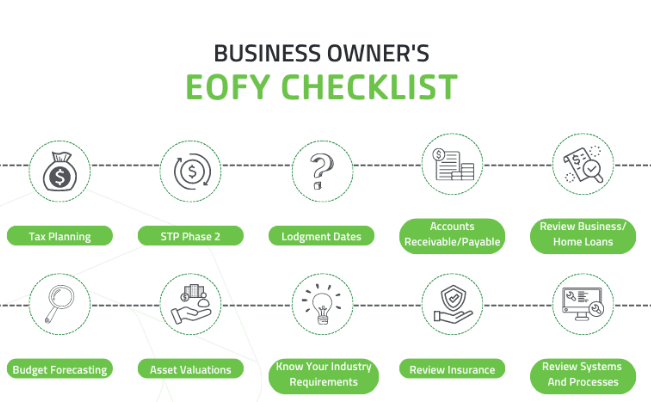
The end of financial year sneaks up every June. A bit of prep now means a smaller tax bill, a smoother return, and no last-minute panic. Here’s a tradie’s checklist.
Know the key dates
The Australian financial year runs 1 July to 30 June. If you lodge your own return it’s generally due by 31 October; a registered tax agent can give you longer if you’re on their books before then. Quarterly BAS is due on the 28th.
Pull your records together
Get your income, invoices, expenses, receipts, bank statements and vehicle logbook in order. You need to keep business records for at least five years, so good habits here pay off well beyond tax time.
Claim everything you’re entitled to
- Tools and equipment: items costing $300 or less can be claimed immediately; more than that is depreciated over time.
- Work vehicle: either cents-per-kilometre (88c/km up to 5,000 business km for the 2025-26 year) or the logbook method for actual running costs.
- Protective clothing and PPE: hi-vis, steel-caps, safety glasses, sun protection (everyday clothing isn’t deductible).
- Laundry of eligible work clothing, phone and internet (work portion), and home-office running costs.
- Licence and union fees, and work-related training.
Check the instant asset write-off
Small businesses can immediately deduct eligible assets under a set threshold, but that threshold changes year to year (it was $20,000 for 2025-26 and is set to drop unless extended). Confirm the current limit with the ATO before you make a big purchase to claim it.
Don’t forget super
To claim a deduction for staff super this financial year, the money has to reach the fund by 30 June, not just leave your account. Pay early to allow for clearing-house processing time.
Reconcile your GST
If you’re registered for GST, reconcile what you collected against the GST credits you’re owed for the year so your final BAS is clean (see our GST and BAS guide).
Talk to your accountant before 30 June
The moves that actually reduce your tax happen before year-end, not after. A quick chat with a registered tax agent in June is worth far more than one in October.