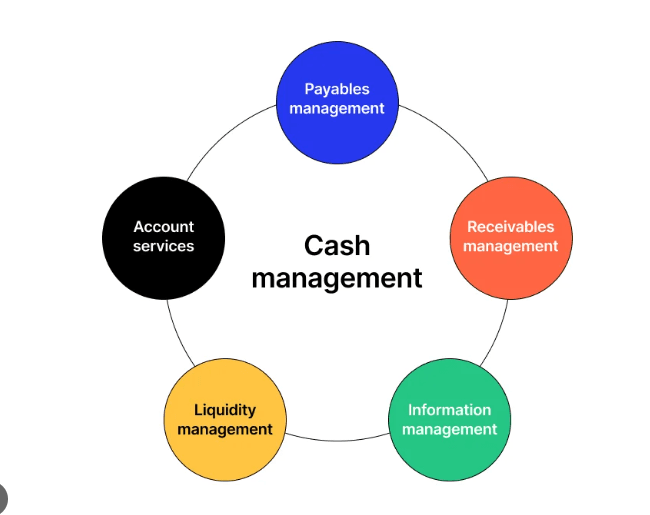
You can be flat out and still broke. Profit is what you make on paper; cash flow is the money actually moving through your bank account, and it’s cash flow that pays wages, suppliers and you. Plenty of busy trade businesses hit trouble not because work dried up, but because the money came in too slowly.
Cash flow vs profit
A job can be profitable and still wreck your cash flow if you’ve paid for materials and labour weeks before the customer pays you. Managing cash flow is about timing: keeping money coming in at least as fast as it’s going out.
Get money in faster
- Take a deposit up front on larger jobs.
- Use progress claims so you’re not financing the whole job to the end.
- Invoice the moment the work is done (same day, not month-end).
- Offer card or online payment so there’s no excuse to delay.
- Chase overdue invoices early and consistently (see our guide to chasing payment).
Control money going out
Raise purchase orders so you know what’s committed, track spend against each job, negotiate sensible terms with suppliers, and resist tying up cash in stock you don’t need yet.
Set aside tax, GST and super
The money you owe for GST, tax and staff super isn’t yours. Move it to a separate account as it comes in so a BAS or tax bill never blindsides you.
Forecast the next 90 days
A simple rolling view of what’s coming in and going out over the next month or quarter turns nasty surprises into decisions you can plan for.
Build a buffer
Quiet months and slow payers are part of the trade. A cash buffer, even a few weeks of running costs, is what lets you ride them out without stress or short-term debt.